Place Ears where the questions are.
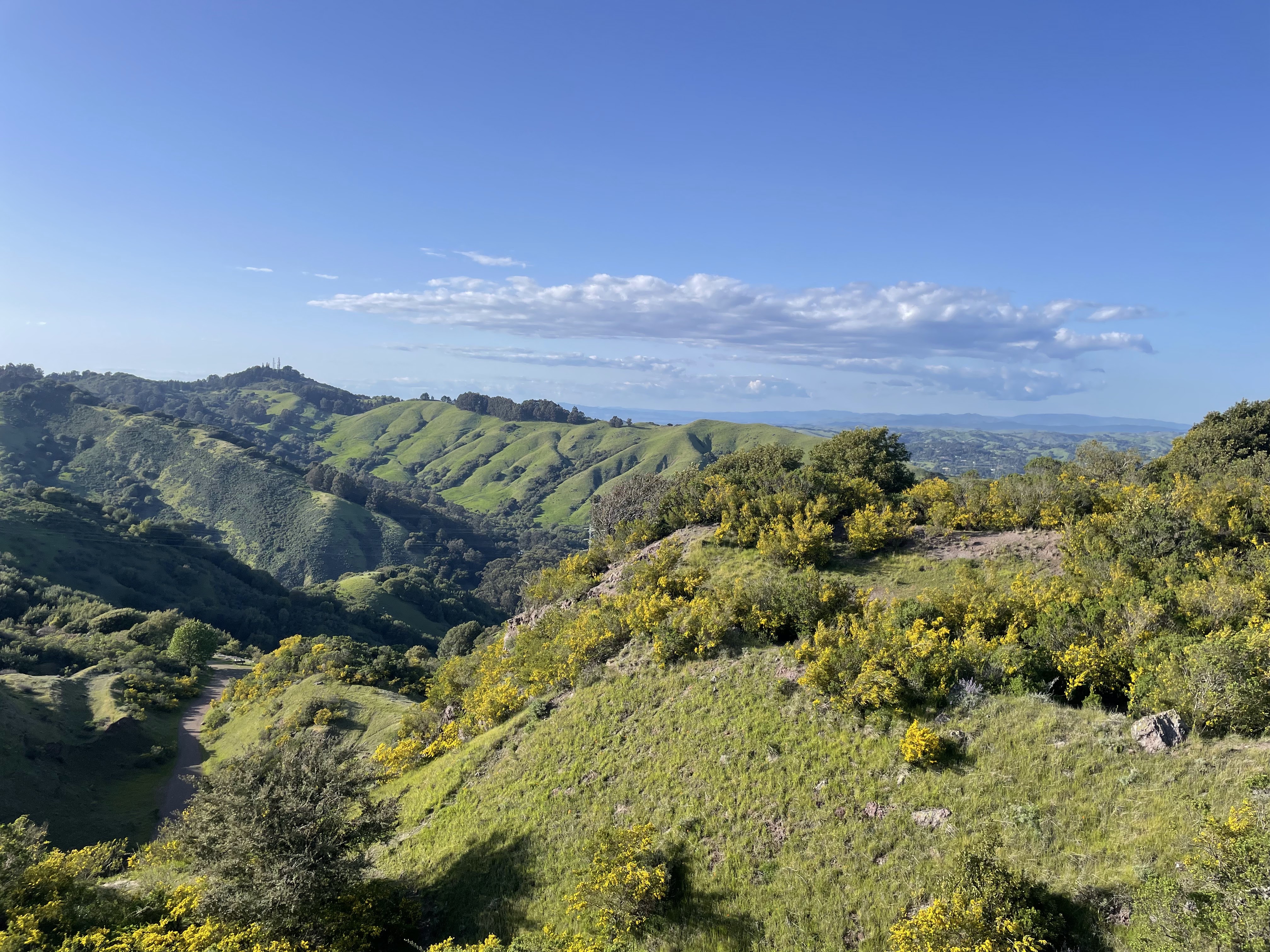
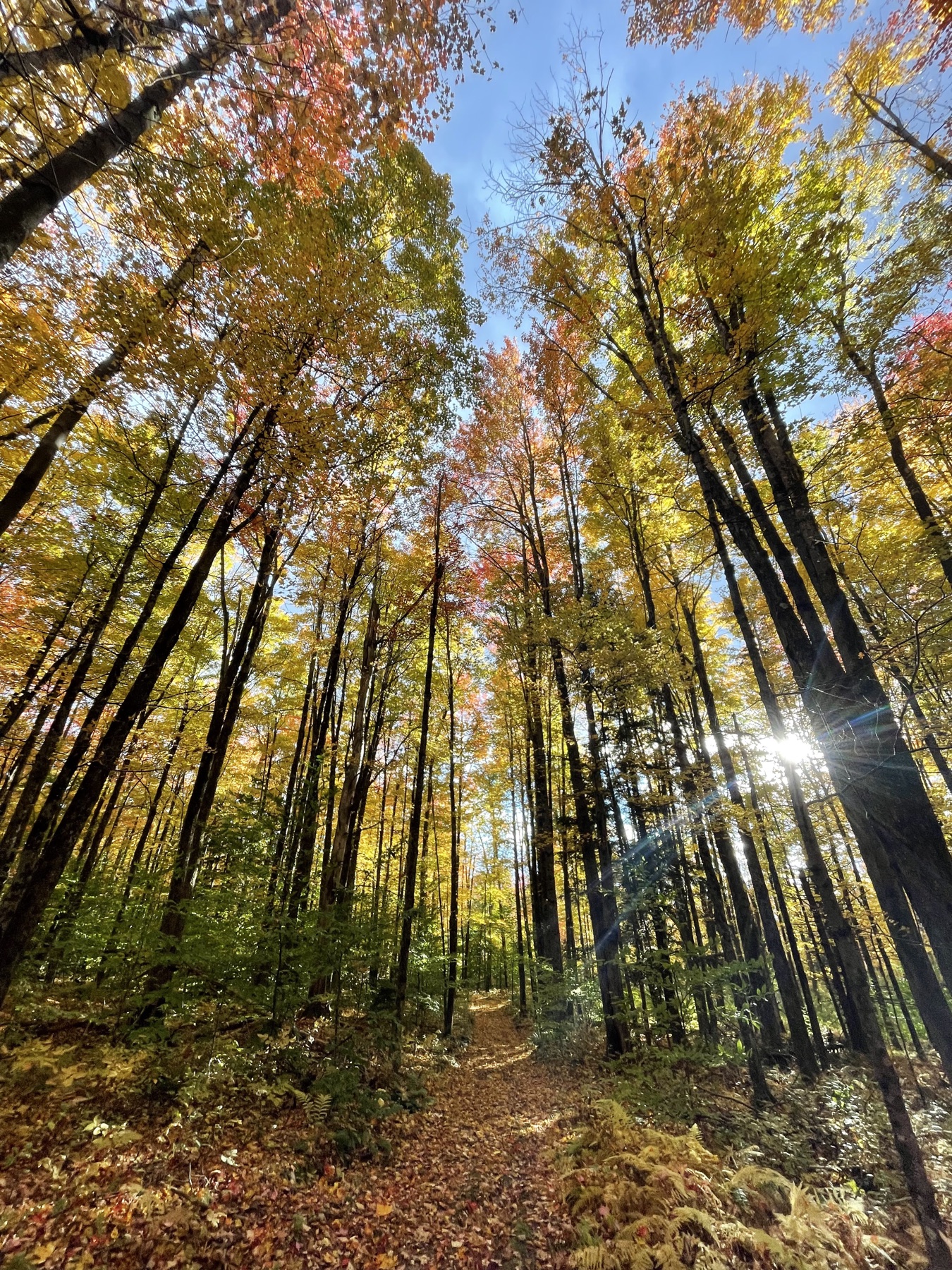
Small outdoor listening stations can follow activity near a creek, hedgerow, pasture, or restoration area.
Still Habitat plans, installs, and supports wildlife listening projects. Small outdoor stations help you follow bird activity over time and bring another source of evidence to caring for your land.
A quieter way to know a place.
What makes Still Habitat different: We install and support Catbird, our wildlife monitoring system for places where Wi-Fi and cellular coverage do not reach every listening point. Its Ears send detection reports by long-range radio through one internet-connected Perch, which also allows remote tuning and support. Your team sees current results with fewer trips to collect SD cards.
Based in Berkeley ◆ hands-on field work ◆ open to travel
How Still Habitat works
Small outdoor listening stations can follow activity near a creek, hedgerow, pasture, or restoration area.
Ears pass small detection reports by radio, so only one point in the network needs internet access.
The cloud-based app brings together what was heard, where the system listened, and how activity changes over time.
Bird monitoring is our starting point. Begin with one listening location and a question about the habitat.
Ask about a free 2026 California listening week
Ways to work together
We work with parks departments, land trusts, conservation ecologists, restoration organizations, and the people caring for farms, ranches, and preserves. Bring your knowledge of the place and a question to investigate together.
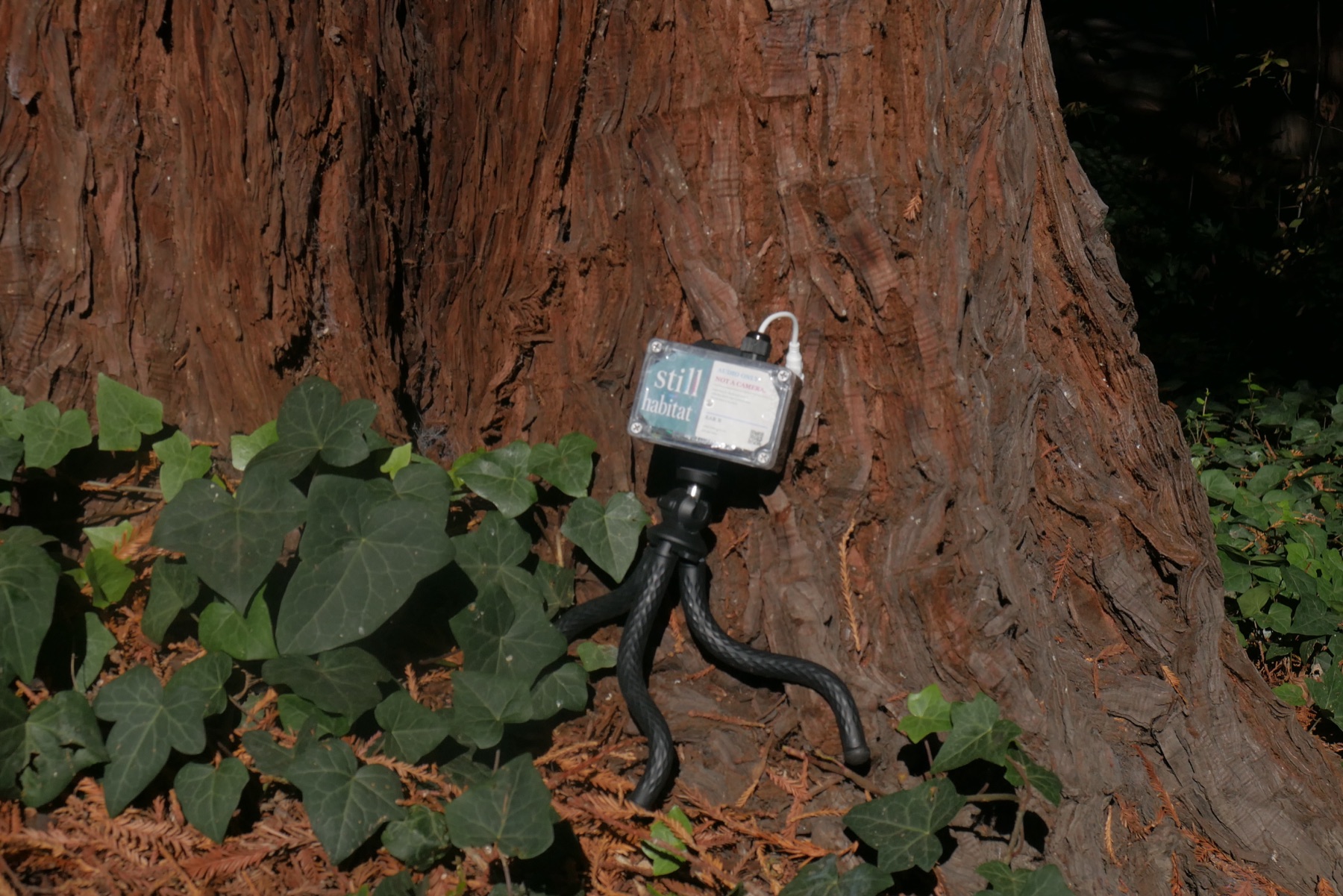
At suitable California sites in 2026, we place one Ear for seven days, prepare a starter wildlife listening report, and review it with you. The sample is free; suitability, access, and any separate travel costs are agreed before scheduling.
One Ear · seven days · starter report · results conversation
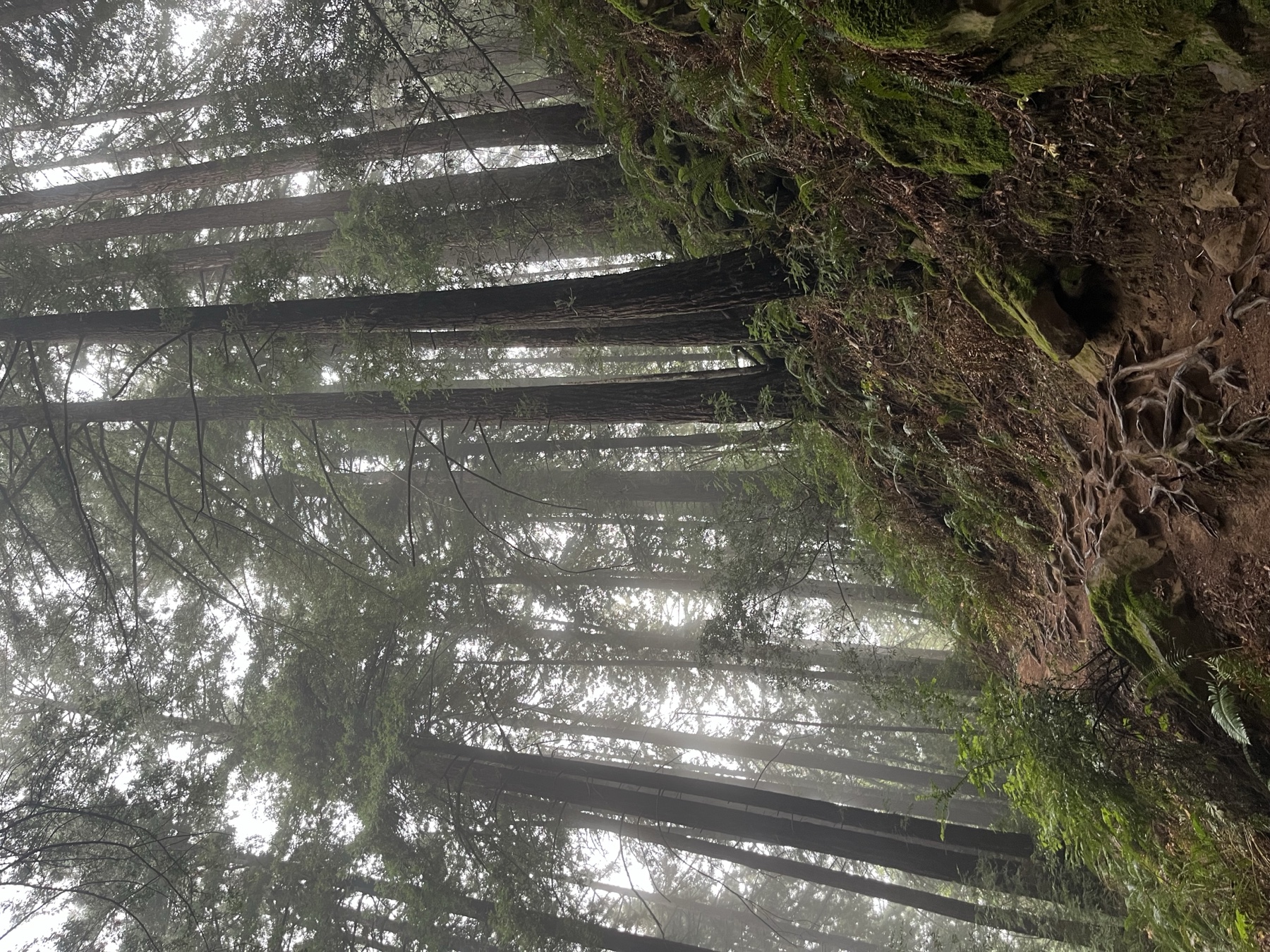
For a longer study, we agree on locations, duration, equipment, support, and reporting in a written proposal. Catbird organizes incoming detections by place and time while we maintain the field setup.
Listening stations · one connected hub · browser access · field support
Some questions call for weather, water, soil, or GIS layers alongside wildlife activity. We can assess compatible sensors, power, analysis, and reporting as part of a project plan.
Compatibility review · site testing · maps · data handoff
Scoped individually. Ecological listening is our current field focus.What you receive
The question, listening locations, schedule, and what counts as a gap.
Detections and readings tied to locations, recording effort, and equipment notes.
A plain-language summary, with detection files and map layers when included in scope.
We review what the record can and cannot say, then decide whether to continue, adjust, or bring in a specialist.
Custom listening projects
Our starting point is bird activity across working and conserved land. We shape each project around the habitat, the question, and the people who know the place.
We shape the ecological question with your team and choose suitable listening locations, recording equipment, and timing.
We use recordings from the habitat to develop and test sound-recognition models, with expert review where the question requires it.
A pilot provides a listening plan, reviewed detection examples, a summary of observed patterns, and a clear assessment of what is ready for longer monitoring.
Bat and predator-vocalization monitoring are in beta. We also welcome conversations about specialized acoustic projects where partners bring the relevant field expertise and reference recordings.
Discuss a custom listening projectA practical first step
Tell us about the land you care for, the question, and who would guide ecological interpretation. We welcome monitoring projects and conservation partnerships. At suitable California sites in 2026, we can place one Ear for seven days and prepare a starter bioacoustic report.
The Listening Sample is free and limited to California in 2026: one straightforward placement, a starter report, and a results conversation. Outside California, tell us about your location and local team so we can discuss a separately scoped project or collaboration.
Email us at hello@stillhabitat.com